




FL Renewables UHPC Hybrid Tower Series: 6.6m Base Diameter Unlocks Mountainou Wind Power Development!
The successful application of UHPC hybrid towers in the Zhidan project provides a valuable reference for wind power development in complex terrains across China.
I. Project Overview
(1) Project Location
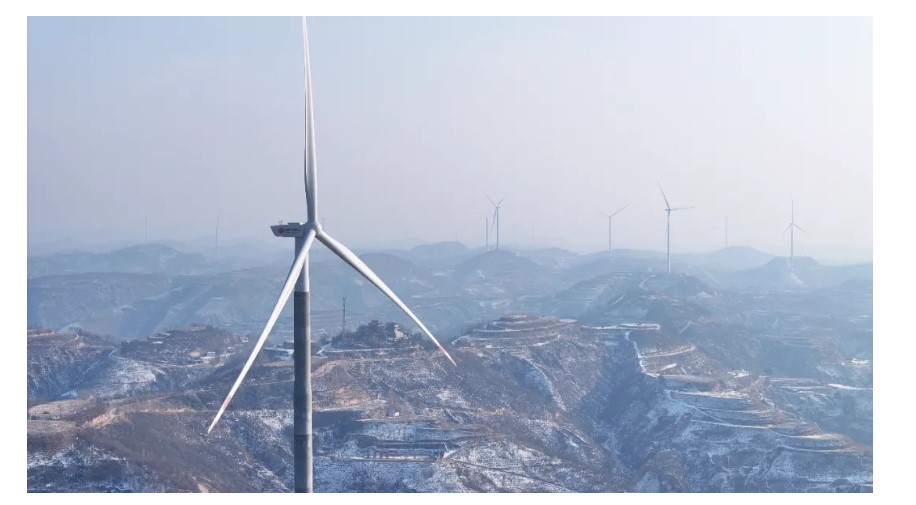
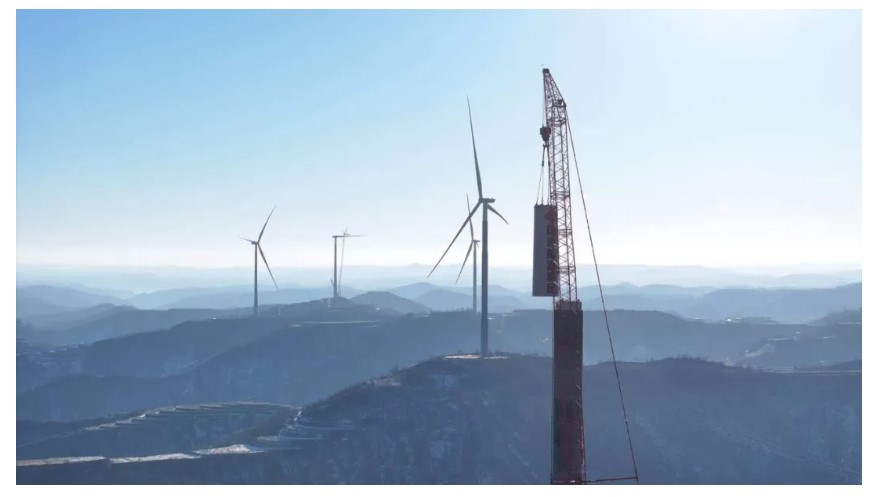
This project is located in Shunning Town, Zhidan County, Yan’an, Shaanxi Province, situated in the heart of the Loess Plateau. The region is characterized by deeply eroded terrain with ravines and complex mountainous landscapes, presenting harsh geographical conditions.
(2) Capacity Configuration
The project has a total installed capacity of 100 MW, consisting of 20 wind turbine generators, each with a unit capacity of 5 MW. These turbines adopt FL Renewables’s innovative hybrid tower technology, which combines steel and ultra-high performance concrete (UHPC). The concrete segment of the hybrid tower reaches a structural height of 121.4 m and features concrete strength up to 150 MPa. With a bottom diameter of only 6.6 m, the tower overcomes logistical and installation challenges in mountainous terrain, enabling full-terrain adaptability.
(3) Project Benefits
The project is expected to generate 202.184 million kWh of electricity annually, with an equivalent full-load operation duration of approximately 2,021 hours. It will save about 63,300 t of standard coal per year, reducing CO₂ emissions by 172,800 t, SO₂ by 33.24 t and NOₓ by 37.19 t—contributing significantly to regional green and low-carbon transformation.
II. UHPC Hybrid Towers: The Breakthrough for Mountain Wind Power
FL Renewables’s use of UHPC materials provides multiple advantages for hybrid tower applications in mountainous environments:
Extreme Load Bearing:
With a concrete strength of 150 MPa, the towers can withstand the dynamic loads of large 5 MW turbines on steep terrains.
Compact Footprint:
The segmented concrete base has a bottom diameter of only 6.6 m, ensuring structural stiffness while overcoming transportation and installation bottlenecks on narrow mountain roads.
Reduced Maintenance Costs:
The low permeability and high corrosion resistance of UHPC ensure stable operation even during the harsh winters of northern Shaanxi's mountainous regions.

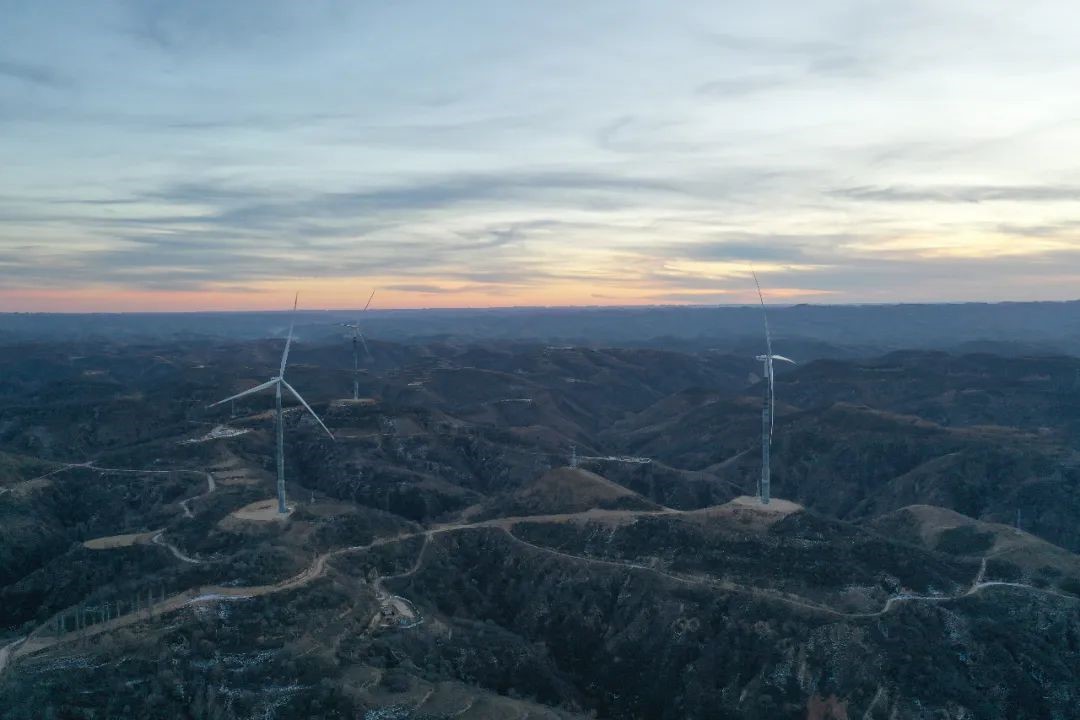
The successful application of UHPC hybrid towers in the Zhidan project provides a valuable reference for wind power development in complex terrains across China. It also promotes the efficient use of wind resources in low-wind-speed areas.
In the future, more Chinese wind turbine hybrid towers will rise to new heights.


Get the latest updates with our newsletter
Follow us
-

CCPA Wechat
-

CCPA EXPO Wechat
