




World’s First Large-Scale Application of 165 MPa UHPC! Shanghai Grand Opera House Set to Complete Venue Construction This Month
The Shanghai Grand Opera House, which has undergone a six-year construction period, is scheduled to complete its venue construction and interior decoration this month.
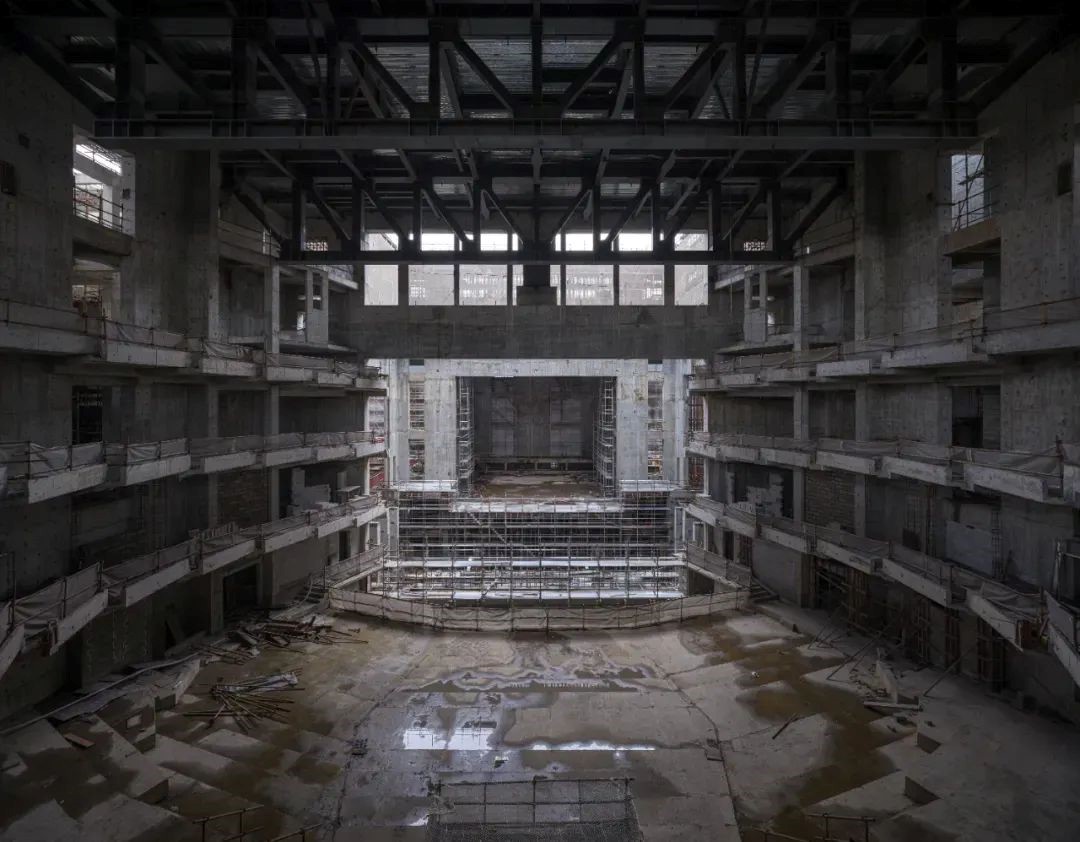
The Shanghai Grand Opera House, which has undergone a six-year construction period, is scheduled to complete its venue construction and interior decoration this month. Positioned as a world class opera house, the Shanghai Grand Opera House has attracted wide attention in the architecture community and on social media even before its official opening. It has also received multiple international awards, drawing more than 100 overseas experts who have visited the site for study and exchange.
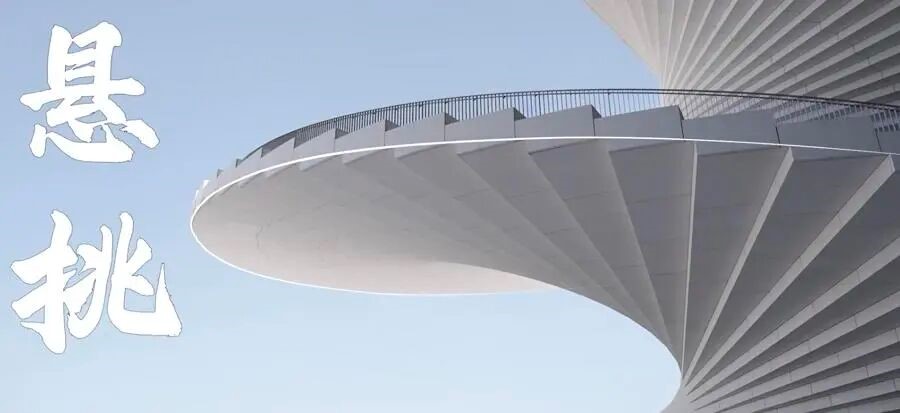
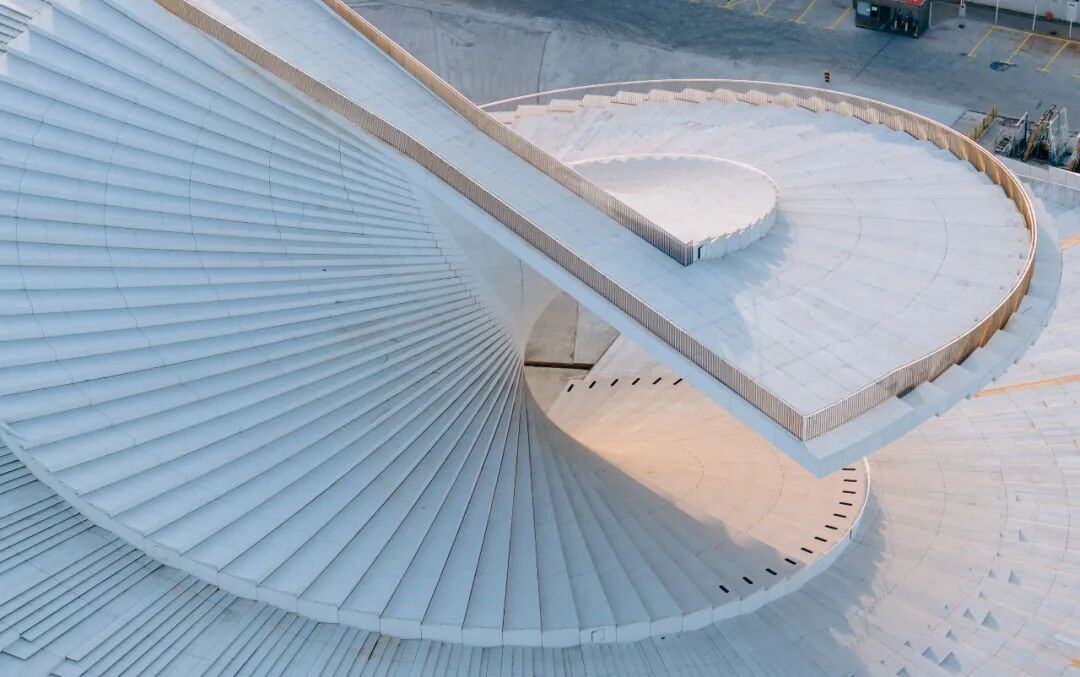
Viewed from above, the building resembles a giant fan slowly unfolding. From the side, the effect is even more striking. The outward cantilevered fan surface appears to float in mid air with no columns beneath it. Through this “fan”, people see architectural aesthetics and a new layer of China’s innovation driven infrastructure capability, along with an emerging direction for interactive, symbiotic relationships between people and urban space.
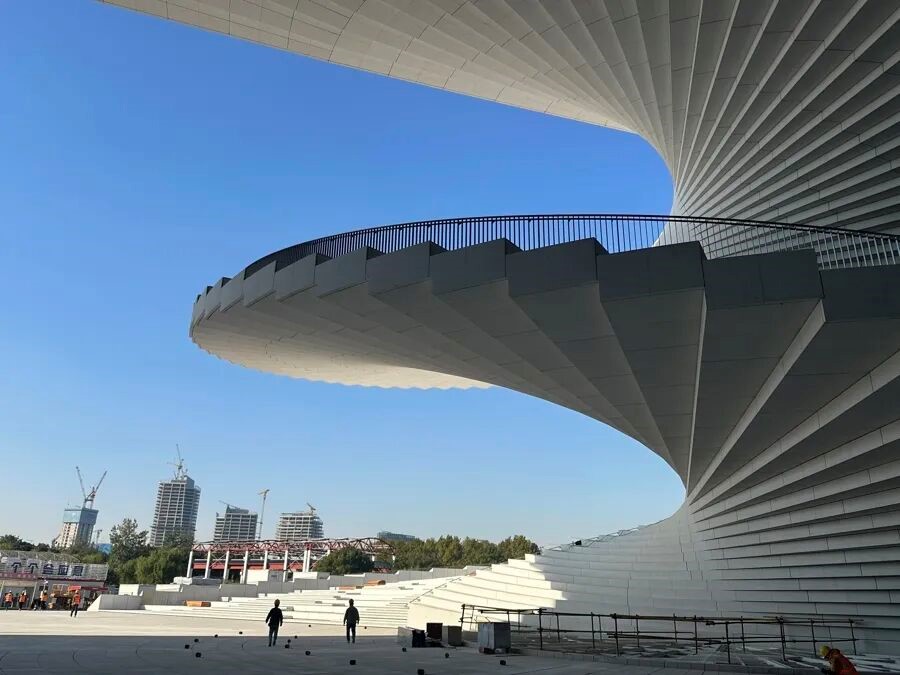
In 2016, the Shanghai Grand Opera House was designated a major cultural facility project planned for construction during the 13th Five Year Plan period, serving as an important platform in Shanghai’s efforts to build itself into an Asian performing arts hub. At that time, concepts of urban space were evolving, and public expectations were moving beyond grand narratives toward deeper resonance and interaction.
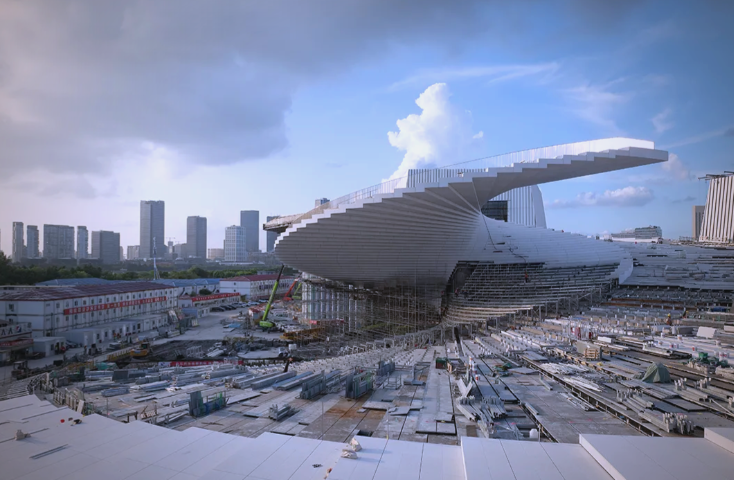
During the conceptual phase, the project put people’s needs first and aimed to make the space approachable and engaging for citizens. The configuration of the “Chinese fan” serves more than a visual purpose. It integrates practical functionality, with each “rib” forming part of a spiraling double helix staircase system that connects the ground level to the roof.
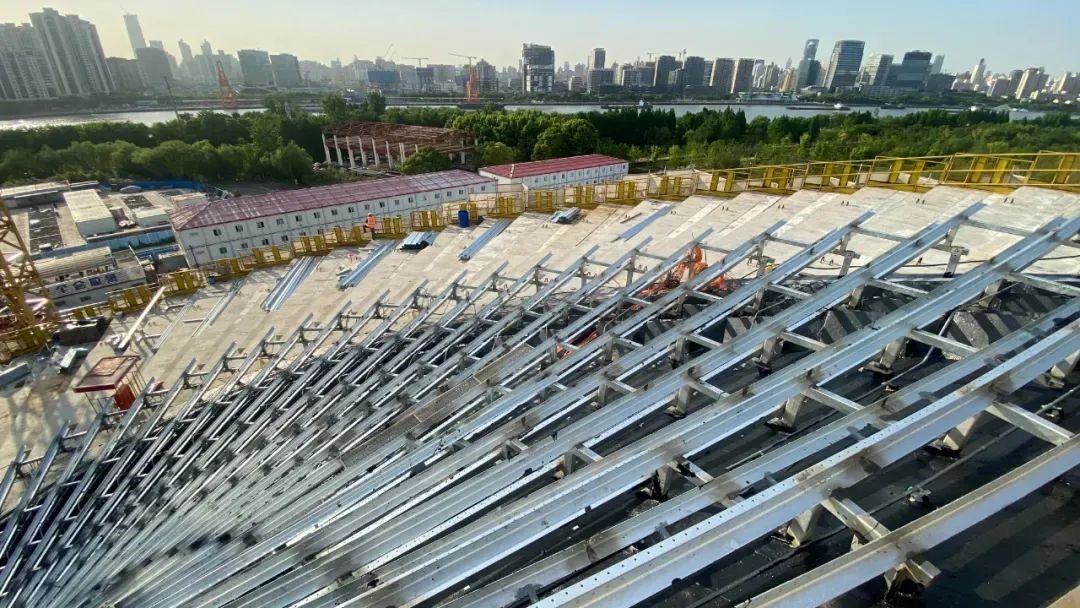
The longest cantilever of the fan surface extends 15 meters, roughly equivalent to the height of a five story building. With a thickness of only 0.725 meters, it is narrower than a standard double bed. The structure must remain stable under heavy load without bending, breaking, or cracking, a world class engineering challenge that requires advanced materials and technologies.
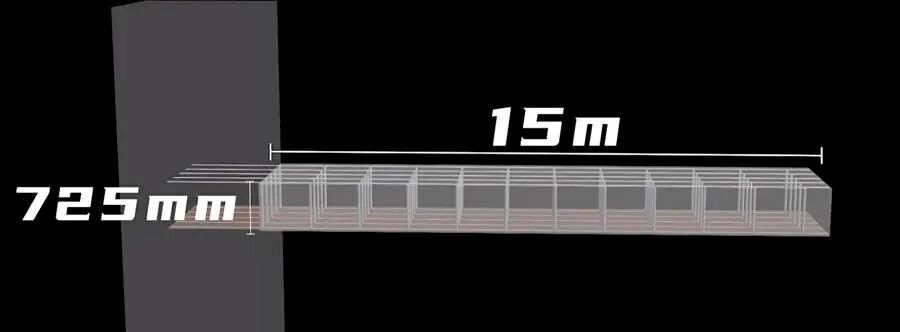
“To realize the fan shaped structure, we adopted an original process and applied digital technologies to address the challenges,” said Zhao Yuchao. This is a type of special building material with ultra-high strength and outstanding performance, whose strength is 3 to 5 times that of ordinary concrete. Components made from it are resistant to cracking and deformation even under immense pressure.
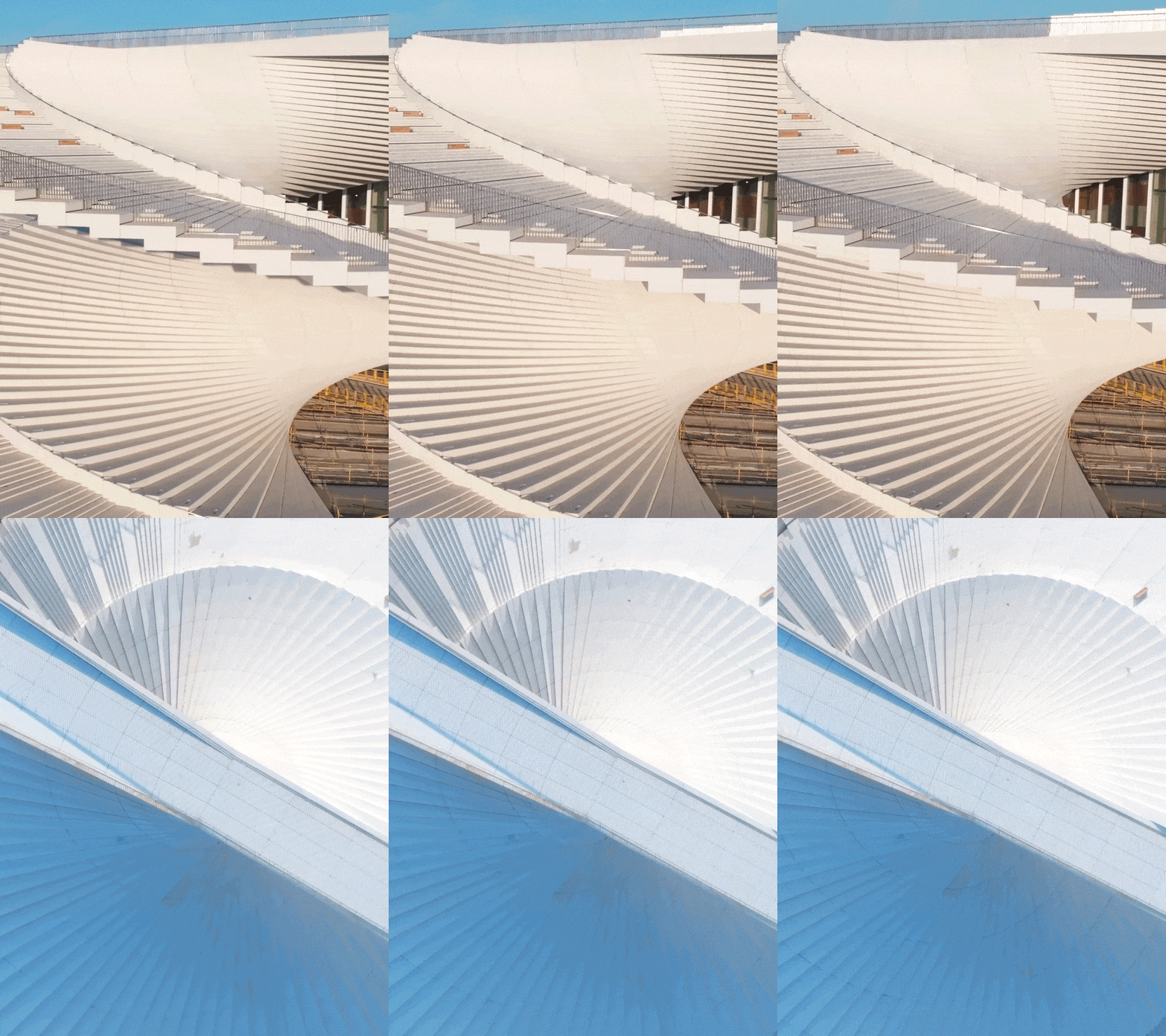
This marks the first large scale use worldwide of 165 MPa UHPC as a load bearing structural material. With no precedents to follow, the team independently developed a complete set of construction procedures and testing methods. The load bearing skeleton is concealed within the double helix staircases. The spiraling form functions as both a circulation route and an integrated, hidden structural system. The staircases are seamlessly connected to the main fan-shaped structure, evenly transferring the load to the underground foundation and thus providing solid technical support for this column-free visual spectacle.
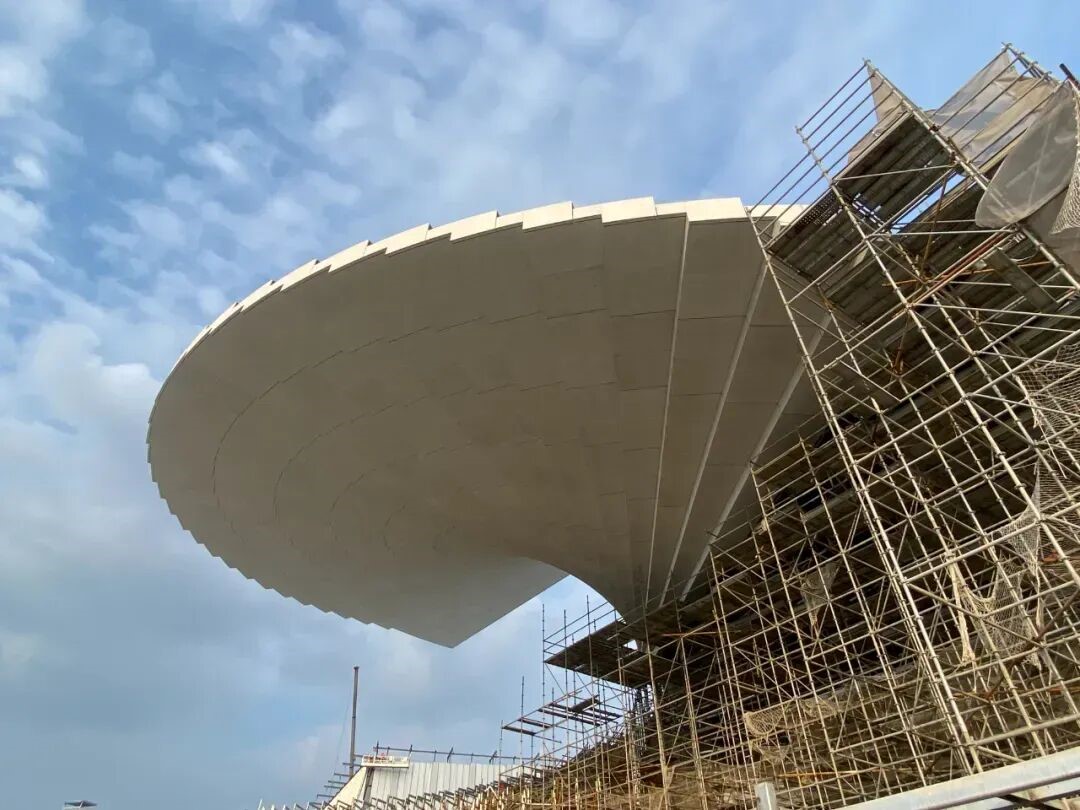
From the double height main lobby to the curved corridors and the three theaters of different sizes, the spatial lines are not orthogonal. They radiate in the same direction as the unfolding fan, creating clear layers and transitions. Inside the building, one can clearly perceive the ingenuity that echoes the design of the "Chinese fan".
After construction and interior finishes are completed this month, the Shanghai Grand Opera House will enter an internal commissioning phase. Following opening, it is expected to provide four core functions, namely performance, creation, production, and education. It will support opera performances, opera creation, opera production, and opera arts education, while also enabling opera arts exchange, opera history exhibitions, and opera theory research.


Get the latest updates with our newsletter
Follow us
-

CCPA Wechat
-

CCPA EXPO Wechat
