




Sobute UHPC: Putting "Armor" on Transportation Facilities
Recently, in the anti-collision wall renovation project of the Linggongli Overpass in Tiexi District, Shenyang, the UHPC (Ultra-High Performance Concrete) product independently developed by Sobute—SBT-UDC (Ⅱ) premix—was successfully applied.
Recently, in the anti-collision wall renovation project of the Linggongli Overpass in Tiexi District, Shenyang, the UHPC (Ultra-High Performance Concrete) product independently developed by Sobute—SBT-UDC (Ⅱ) premix—was successfully applied. Relying on its ultra-high mechanical properties, excellent anti-erosion, and freeze-thaw durability, it provides an innovative solution for bridge anti-collision wall structures in the severe cold regions of Northeast China to resist snow-melting salt erosion, freeze-thaw damage environments, and mechanical wear.
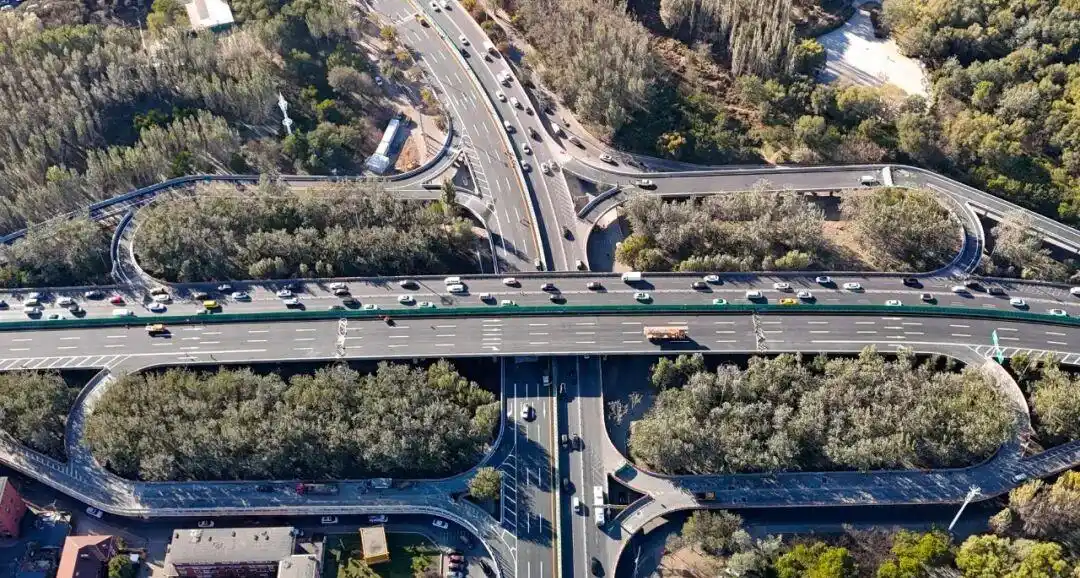
Built in 1998, the Linggongli Overpass is a core node, carrying a massive traffic volume year-round. As an “artery” of urban transportation that has served citizens for nearly three decades, the erosion of time and continuous high-load operation have caused varying degrees of damage to the bridge structure, bridge deck, anti-collision walls, and other parts. Especially in Northeast China, the widespread use of snow-melting salt for winter snow removal and the reciprocating operations of road cleaning vehicles cause continuous salt corrosion and physical scouring to traditional concrete structures, leading to a shortened service life of the anti-collision walls and necessitating frequent renovations and maintenance.
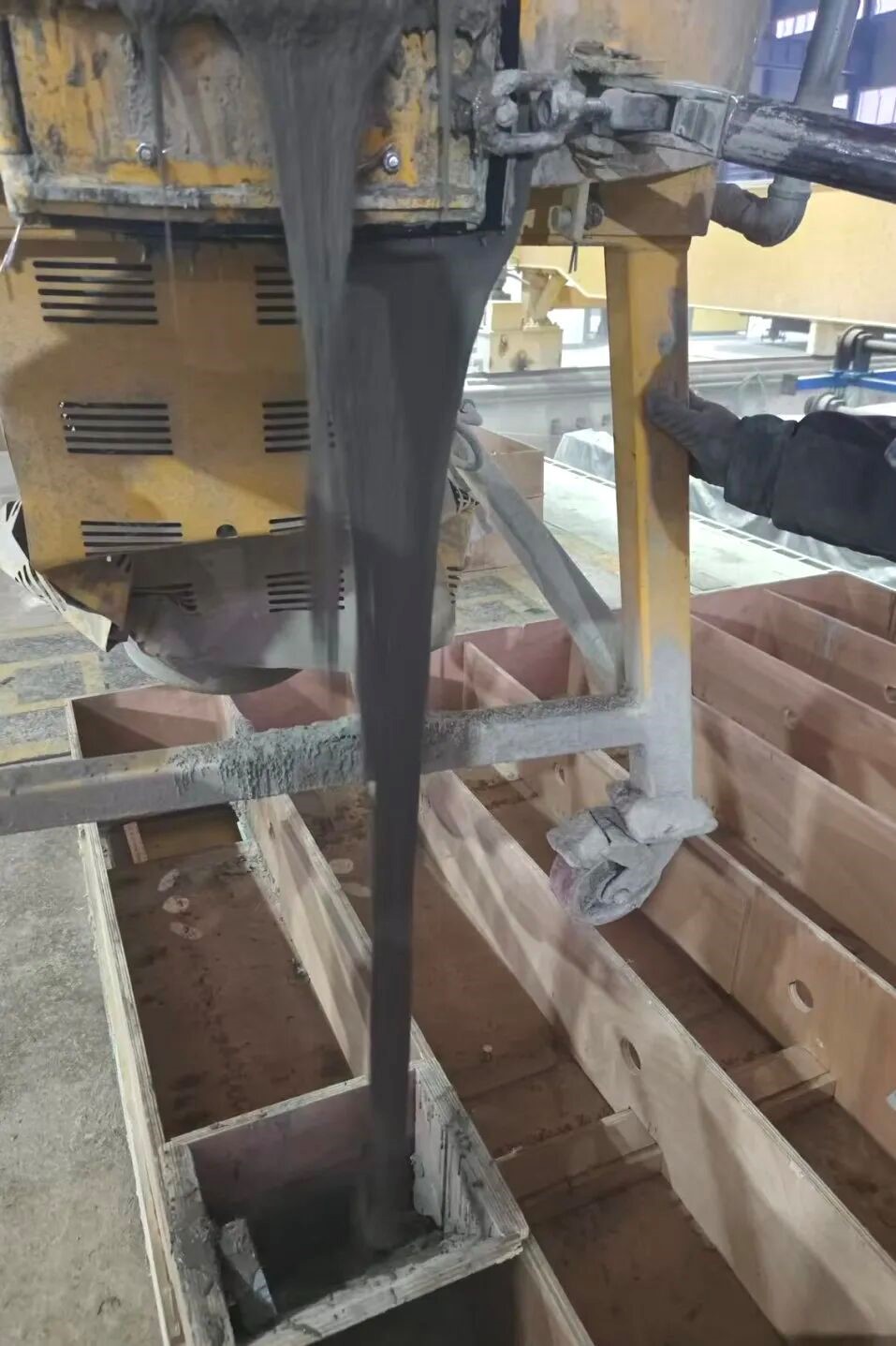
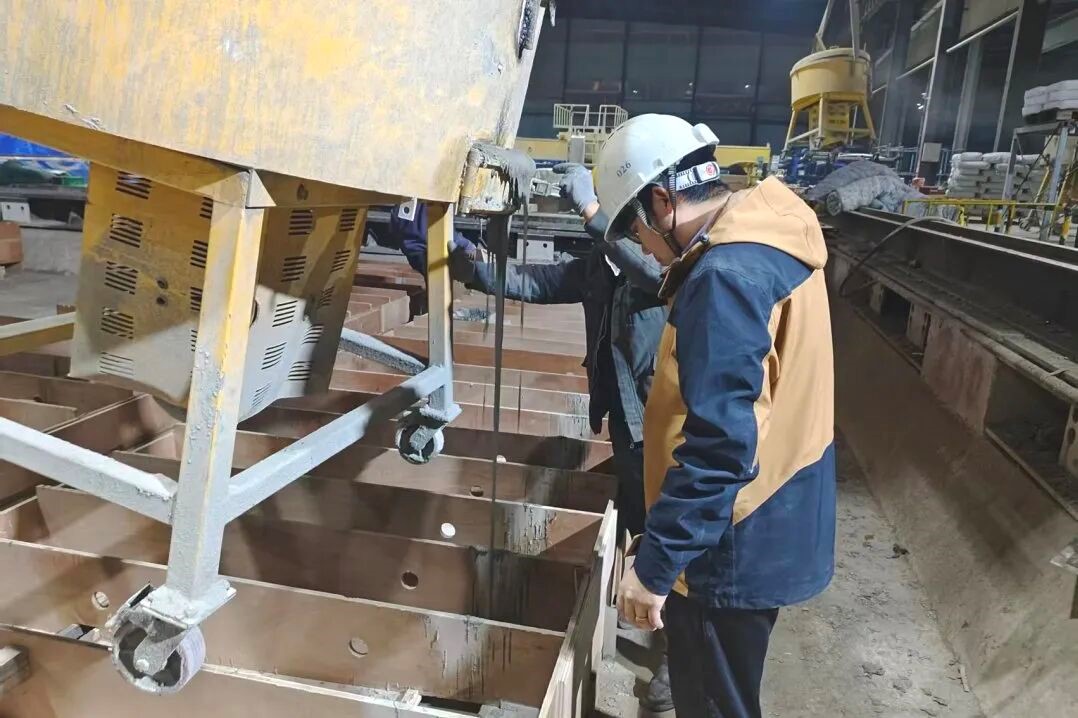
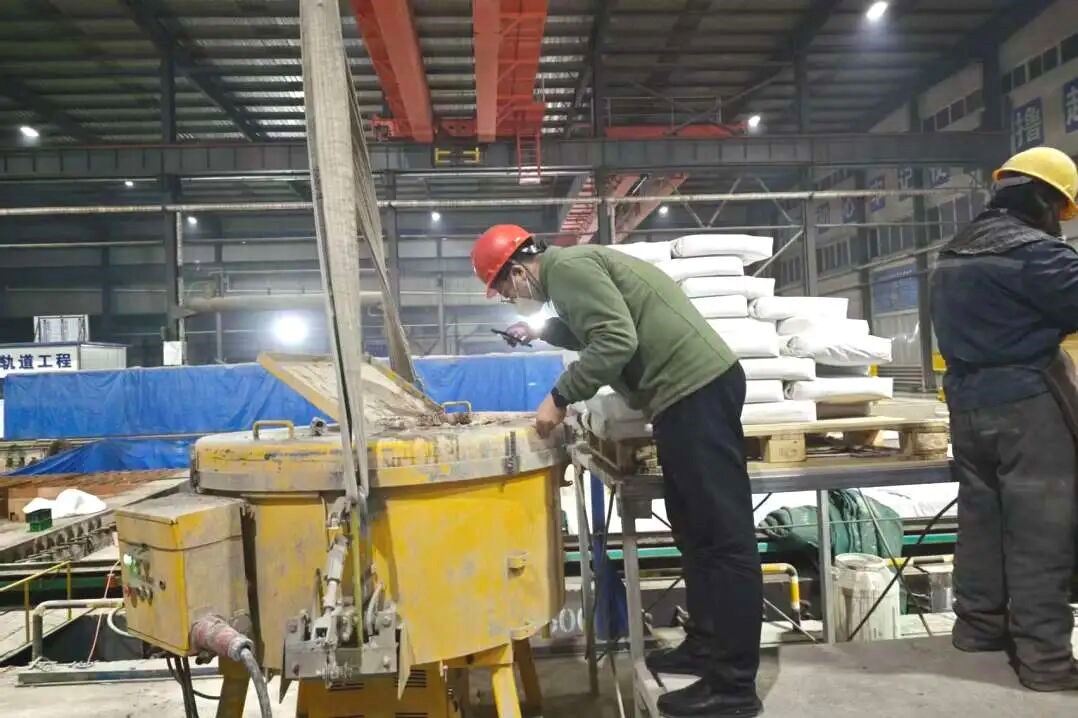
UHPC protective shell production site
Addressing this pain point, this anti-collision wall renovation project innovatively adopted the mold-shell process. The project first used the Sobute SBT-UDC (Ⅱ) premix to prefabricate an ultra-high performance concrete protective shell that features high strength, high toughness, and high density. It was then assembled on-site, and finally, C50 concrete was poured into the shell. This composite structure of “ordinary concrete inner and UHPC outer” fully leverages the outstanding advantages of the UHPC material—high density, high strength and toughness, impermeability, and corrosion resistance. It is like putting a sturdy layer of “armor” on the anti-collision wall, resulting in a qualitative leap in impact resistance and anti-aging capabilities, significantly enhancing the structure's durability and service life.
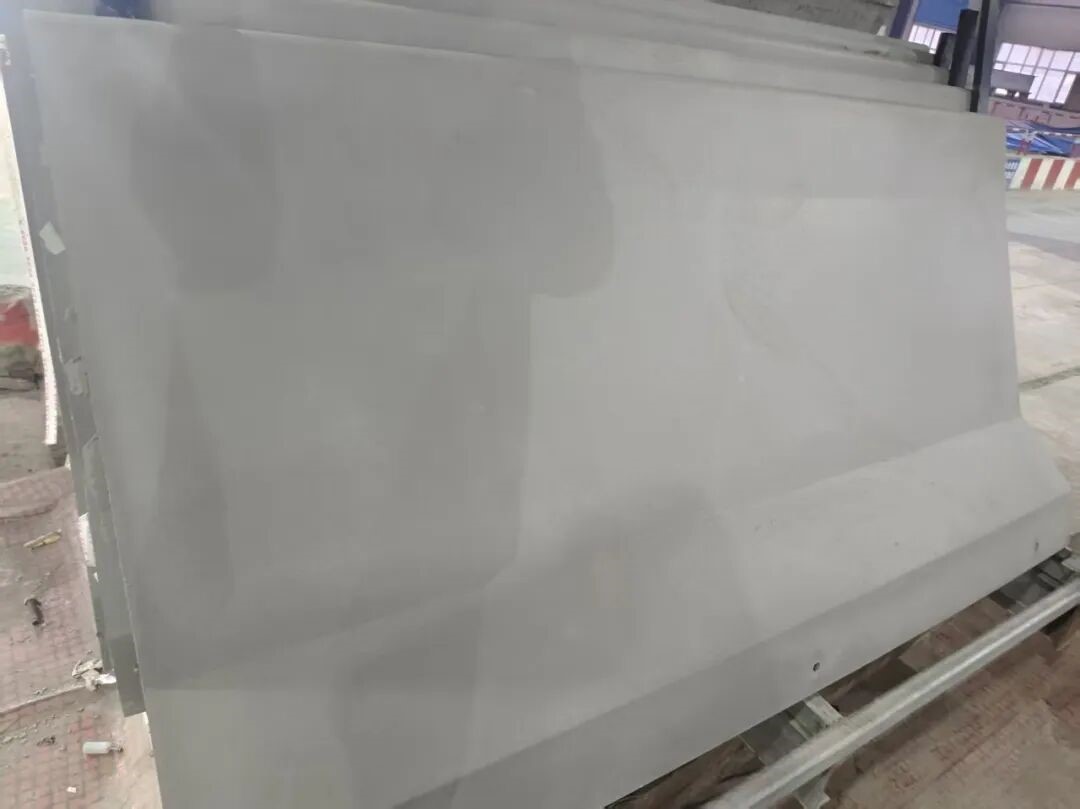
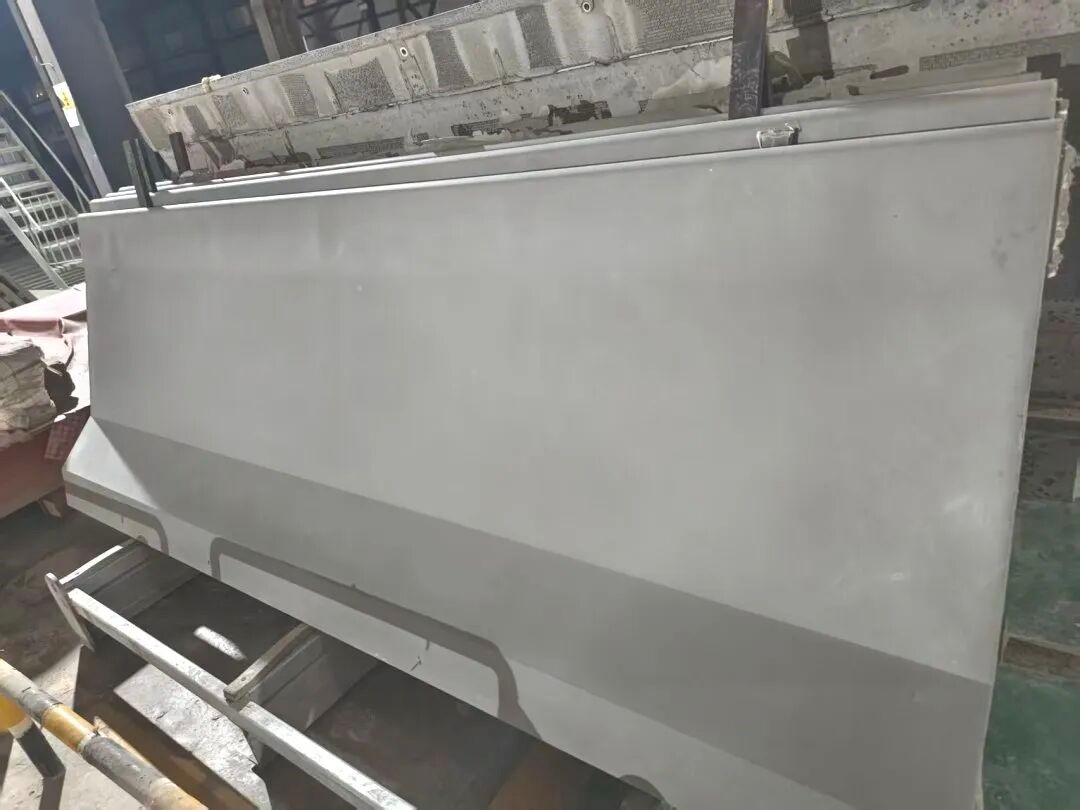
Finished UHPC protective shells
The successful application of Sobute UHPC materials in this project not only effectively resolves the long-standing trouble of bridge ancillary facilities in cold regions being vulnerable and difficult to repair, but also provides a replicable and scalable technical path for durability enhancement and low-carbon transformation of urban infrastructure.


Get the latest updates with our newsletter
Follow us
-

CCPA Wechat
-

CCPA EXPO Wechat
