




Study on the application of excess-sulfate phosphogypsum-slag cement (ESPSC) in roadbase
On August 19th, 2019 China Concrete and Cement-based Products Association organized the scientific and technological achievement appraisal meeting for the project entitled as "Study on the application of excess-sulfate phosphogypsum-slag cement (ESPSC) in roadbase", which was completed by Wuhan University of Technology, Hubei Changyao New Material Co., Ltd. and Hubei Changyao New Material Engineering Technology & Research Co., Ltd.
On August 19th, 2019 China Concrete and Cement-based Products Association organized the scientific and technological achievement appraisal meeting for the project entitled as "Study on the application of excess-sulfate phosphogypsum-slag cement (ESPSC) in roadbase", which was completed by Wuhan University of Technology, Hubei Changyao New Material Co., Ltd. and Hubei Changyao New Material Engineering Technology & Research Co., Ltd.
Phosphogypsum is the industrial solid waste produced from the manufacturing process of phosphoric acid. There will be 5 tons of phosphogypsum in the manufacturing process of 1 ton phosphoric acid. The main chemical composition of phosphogypsum is dihydrate gypsum (CaSO4•2H2O) with a small amount of phosphoric acid, calcium phosphate, residual acid, soluble P2O5, fluoride, heavy metals, organic matter and other impurities, usually in the form of white or dark gray moist fine powder. Around the world, only 15% of phosphogypsum has been recycled for building materials, agricultural soil improvement, cement retarder, etc., and the remaining 85% phosphogypsum is stacked as solid waste. In China, 20% of phosphogypsum has been recycled.
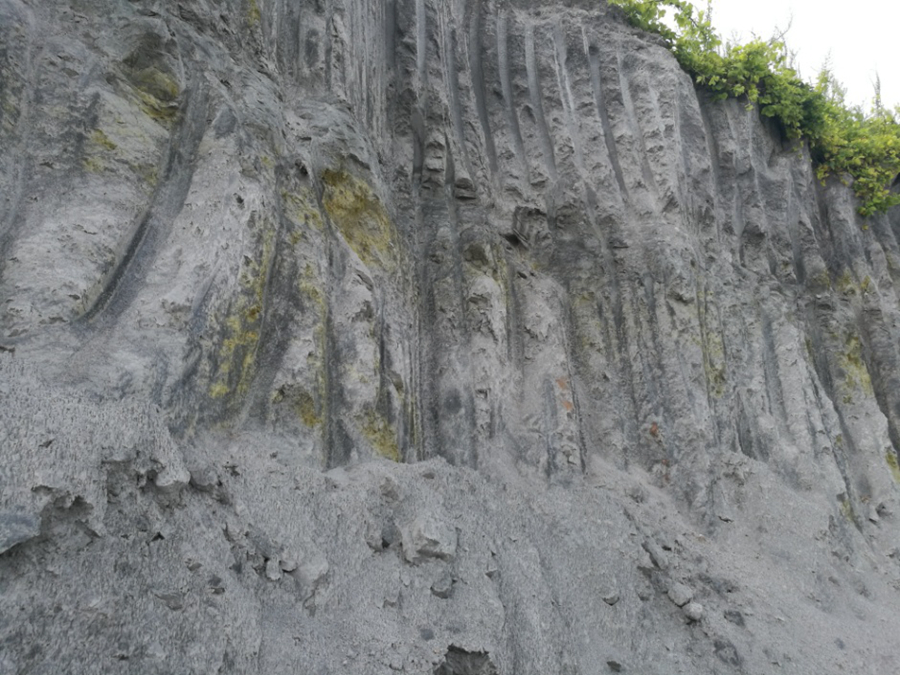
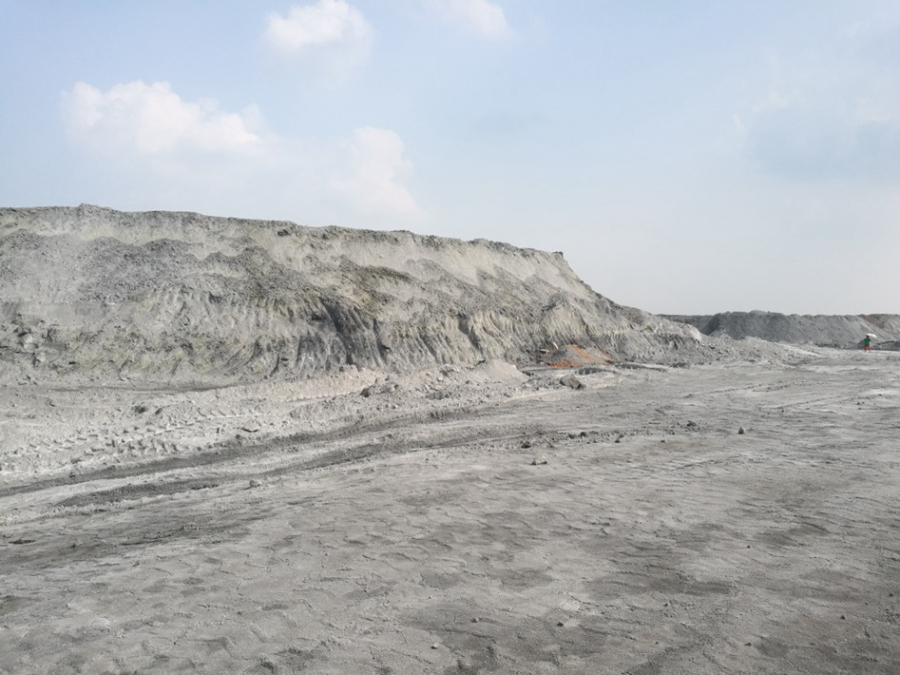
Phosphogypsum stacked in open storage of a company in Hubei Province
Professor Lin Zongshou of Wuhan University of Technology developed excess-sulfate phosphogypsum-slag cement (ESPSC), which is a new type of green low-carbon non-sintered cement. It is mainly composed of excessive phosphogypsum, slag powder and alkaline activator. In this project, ESPSC is applied in the cement stabilized layer of roadbase. A complete set of design and production process of the cement stabilized layer has been established and tested completely. Research team carried out a detailed study on the environmental impact of the roadbase of ESPSC.
In this project, cement clinker or steel slag are used as alkaline activator, slag and phosphogypsum (40%-60%) are used as raw materials to develop ESPSC, which is hydraulic. It is clarified the hydration and hardening mechanism of ESPSC and the encapsulation mechanism of phosphogypsum, which are the basic theories of strength and durability of ESPSC. The production and construction process of ESPSC used as semi-rigid roadbase materials were established, and also the relevant standard limits for controlling environmental impact.
This research has been applied in three roadway projects in Yichang City. The first is one road of 148 meters long with consumption of 150 tons of phosphogypsum inside of Sanxia Yichang Pipe gallery Construction Co., Ltd. The second is Xiaohuang Road of 200 meters long with consumption of 200 tons of phosphogypsum. The third road is Bailinhe Road I of 2.14 kilometers long with consumption of 2117 tons of phosphogypsum. As semi-rigid roadbase material, ESPSC plays a great role in consuming the stock of phosphogypsum, and has good social benefits. After calculation, the total cost per cubic meter of ESPSC semi-rigid roadbase is lower than that of ordinary cement, and the project has good economic benefits.
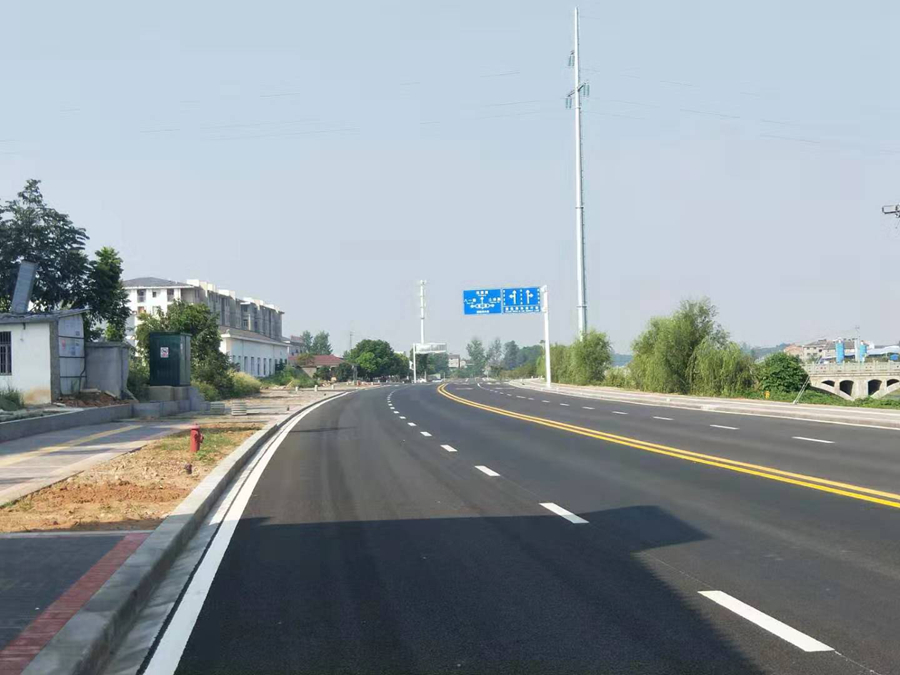
Bailinhe Road I


Get the latest updates with our newsletter
Follow us
-

CCPA Wechat
-

CCPA EXPO Wechat
