




First application of high-strength self-compacting concrete in Tibet's largest finished terminal building
Tibet's largest terminal building is one of the largest plateau Airports in the world. The T3 terminal (non-civil aviation professional project) of Lhasa Kongga International Airport, the highest-altitude trunk airport under construction in China, successfully passed the completion inspection and acceptance and took a key step towards formal operation.
Tibet's largest terminal building is one of the largest plateau Airports in the world. The T3 terminal (non-civil aviation professional project) of Lhasa Kongga International Airport, the highest-altitude trunk airport under construction in China, successfully passed the completion inspection and acceptance and took a key step towards formal operation.
Tibet's largest terminal building
Starting from the pile foundation construction
at the end of 2017,
construction of the T3 terminal building lasted
three and a half years
which is large, novel and complex
In the process, the project team faces various challenges
but accumulated rich experience in
plateau airport construction.
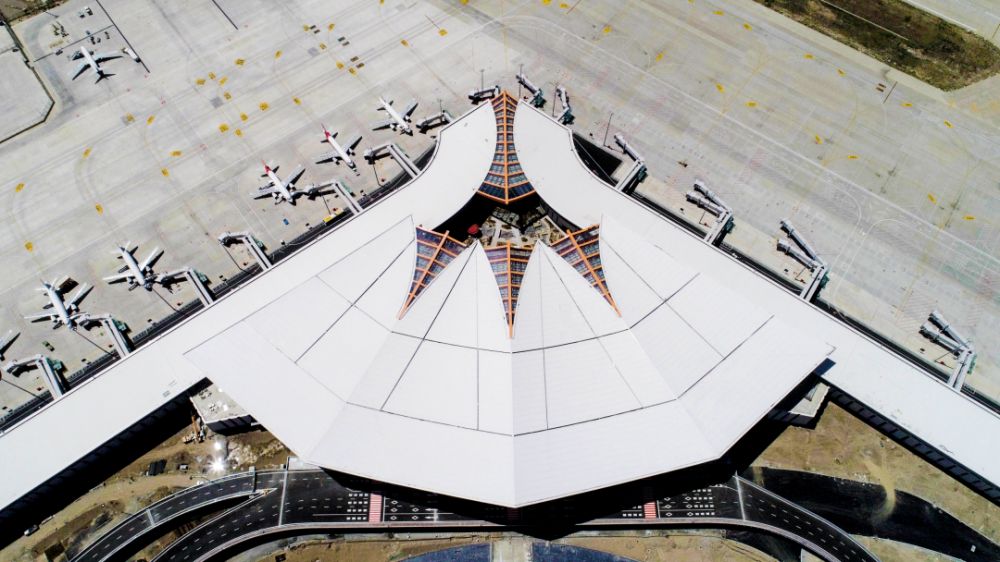
“Snow Lotus”can resist Level 12 Gale
Design of T3 Terminal Building of
Lhasa Kongga International Airport
fully integrate Tibetan regional culture and ethnic elements
The roof shape is like lotus petals
combined with abstract Tibetan gold- roof shaped daylighting roof
The total area is 58,400 square meters
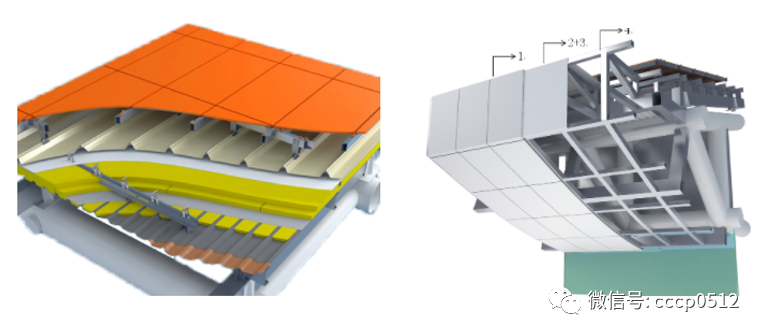
The main part of the roof adopts steel truss structure
The panel part adopts aluminum-zinc profiled steel sheet
The structure level is complex, involving 9 structural levels
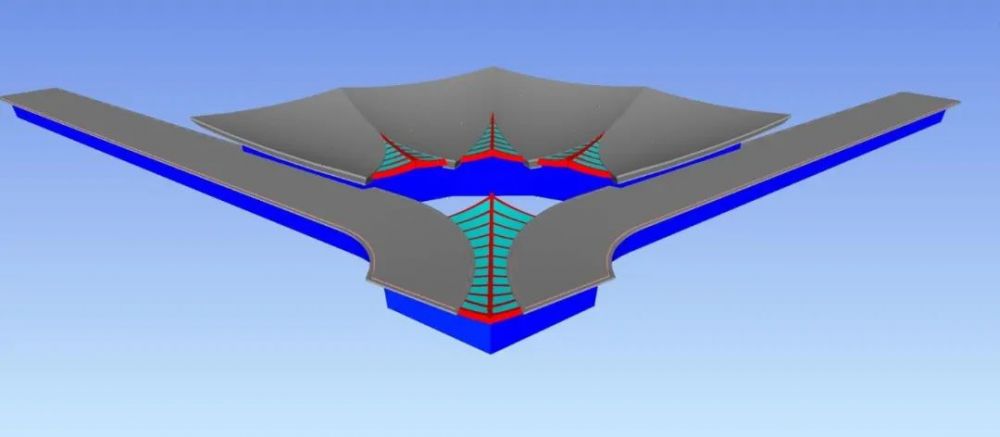
BIM technology runs through the whole process of
roof construction
which strictly control the structural accuracy
and ensure the perfect presentation of lotus roof
There are many extreme weather in Tibet
In order to meet the test of heavy wind and snow,
The wind-resistant clip added to the roof of the terminal building can resist the level-12 gale
Development and construction of high-strength self-compacting concrete for the first time in Tibet
Terminal T3 of Lhasa Gongga International Airport
is 3570 meters above sea level
Due to the lack of resources in plateau areas,
configuration of C50 Self-compacting Concrete
was first carried out in Tibet
according to the supply of local materials,
solving the problems of fly ash, mineral powder, silica fume and
lack of concrete admixture
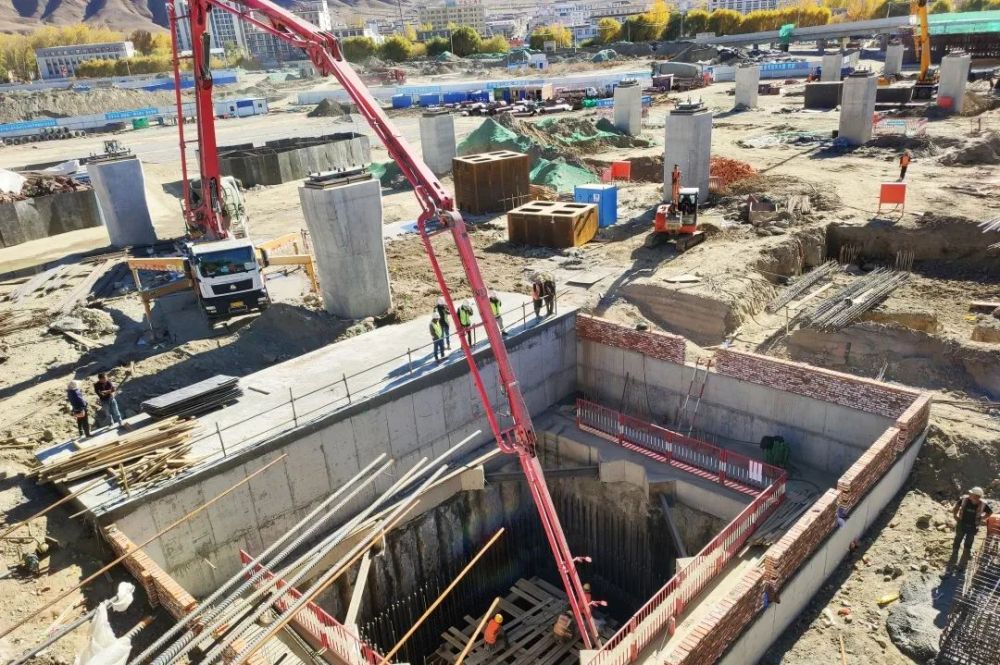
C50 self-compacting concrete was poured
in 12 steel columns supporting the lotus roof
In the process, the project changed the traditional concrete pouring technology and adopted
special pumping jacking technology
to avoid the quality defects of unconsolidated concrete in steel tube columns under plateau environment
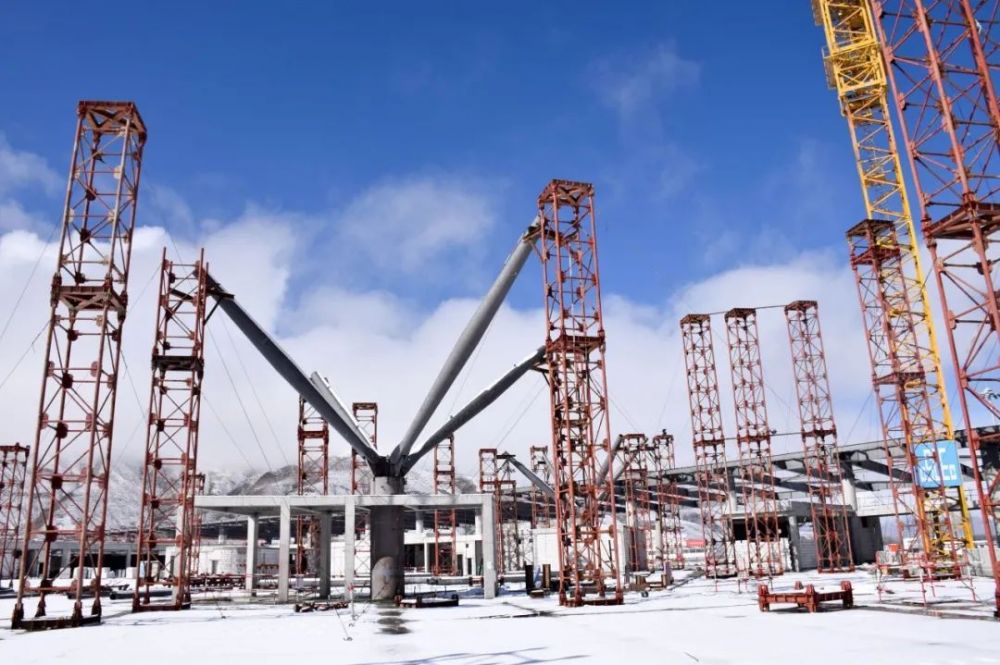
The T3 terminal of Lhasa Gongga International Airport
has experienced three winters of construction
The lowest temperature in winter in Tibet can reach -20℃
and the temperature difference between day and night
is 18 ~ 20℃
In order to ensure the construction quality,
the project adopts the greenhouse method and covers the concrete with rubber-plastic thermal insulation cotton
and use a heater to heat the concrete members
to ensure that the concrete strength reaches
the curing temperature before the frost-resistant
critical strength.
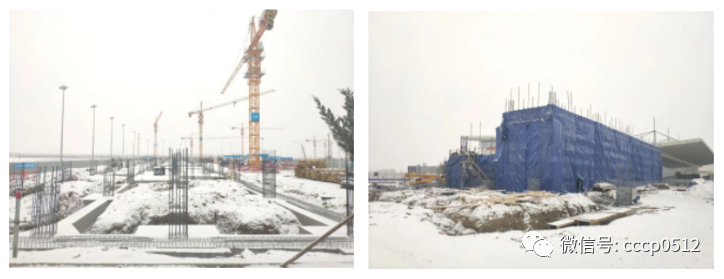
10,000 tons of steel cast "reinforced iron bones"
The T3 terminal building of
Lhasa Gongga International Airport
has a total construction area of about 88,000 square meters,
of which the steel structure construction area
is 56,000 square meters
It uses 10,000 tons of steel members
which exceeds the weight of an Eiffel Tower
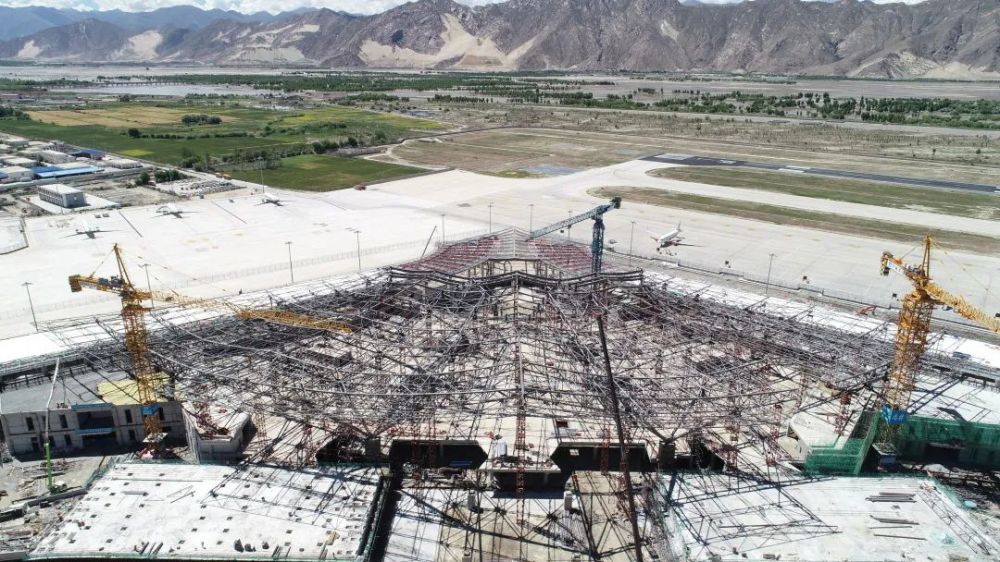
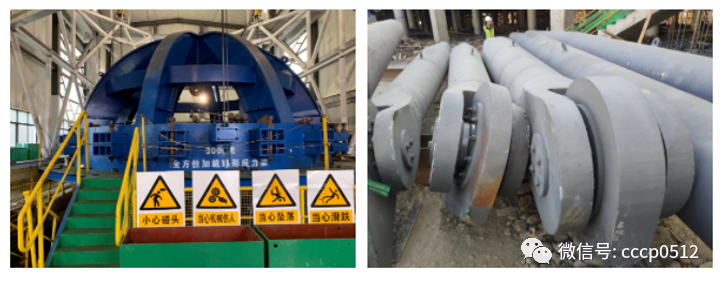
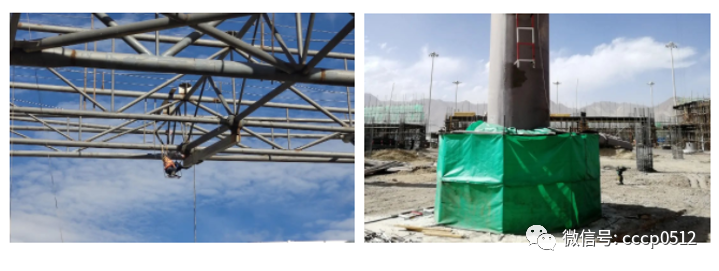
The project also set up 24 windproof sheds on site
which adopted technical measures such as preheating before welding and heat preservation after welding
to ensure welding quality in low temperature environment
Only in the roof construction part,
more than 200 workers
completed the construction of 3,708
high-altitude welded joints in 4 months
During the period, 200 tons of welding materials were used,
and the length of welding wire
could circle the equator of the earth once
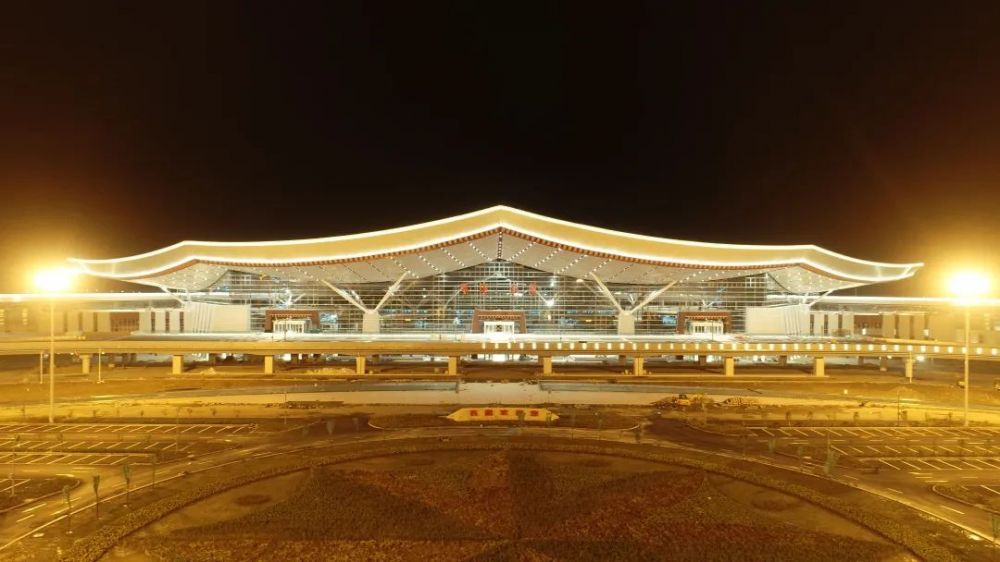
After the reconstruction and expansion project of Lhasa Gongga Airport is put into operation, it will achieve the goal of 9 million passengers
and 80 thousand tons of cargo and mail throughput in 2025
CCEED assisted for the construction in Tibet
and narrowed the air distance with the world


Get the latest updates with our newsletter
Follow us
-

CCPA Wechat
-

CCPA EXPO Wechat
